Maryland: Local Impact

Hunger Statistics in Maryland:
Hunger affects communities across Maryland, touching people of all ages, backgrounds, and zip codes.

According to this latest data, 13.3% of Marylanders—about one in eight people—experienced food insecurity, while 16.1% of children lacked reliable access to enough food. (Feeding America’s Map the Meal Gap 2025, based on 2023 estimates.)
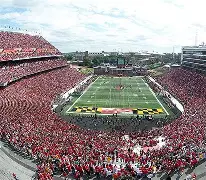
That child food insecurity rate represents an estimated 244,592 Maryland kids (16.1% of the 2023 child population)—enough to fill SECU Stadium in College Park (46,185 seats) about five times.
About 824,930 people across Maryland face hunger. This challenge exists in every county, affecting urban, suburban, and rural communities alike.
Many households experiencing food insecurity earn too much to qualify for federal nutrition programs and instead rely on Maryland food banks and their network of local partner agencies to meet basic food needs.
Partner Stories
Bringing Hope Home
Through our support of Bringing Hope Home’s Light of Hope Family Program, we were able to provide critical stability for Leslie during one of the most difficult moments of her life. At 66, Leslie was navigating a recent diagnosis of stage I endometrial cancer while coping with the emotional toll of treatment, financial strain, and the challenge of sharing the news with her family.
Our funding helped relieve immediate pressures by covering Leslie’s rent and electric bill and providing a food gift card—allowing her to redirect limited resources toward medical bills and prescriptions. This support offered more than financial assistance; it gave Leslie peace of mind at a time when stress and uncertainty felt overwhelming. By addressing basic needs, we helped ensure she could focus on healing, knowing she was not facing this journey alone.
Maryland Hunger Solutions (DBA: Food Research & Action Center)
Through our support of Maryland Hunger Solutions, we are helping ensure that temporary technical barriers do not become long‑term barriers to food access. When Michelle reached out after months of frustration with the MyMDthink website, she was at risk of losing critical SNAP benefits—not because she was unfamiliar with the program, but because the system failed her at a key moment.
With guidance from Maryland Hunger Solutions’ hotline team, Michelle was able to successfully reapply over the phone. That support not only restored her access to SNAP, but ensured her application was processed accurately, resulting in a more appropriate benefit level. Stories like Michelle’s underscore why our investment matters: when systems are complex, trusted navigators make the difference—helping families stay connected to the support they rely on and deserve.